

Description
What is N-Acetyl PT-141?
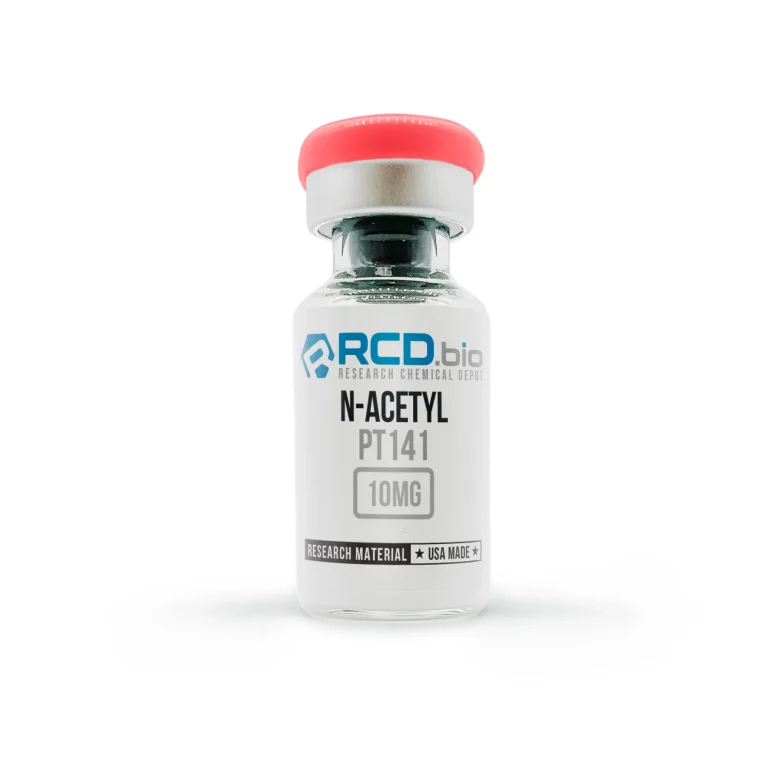
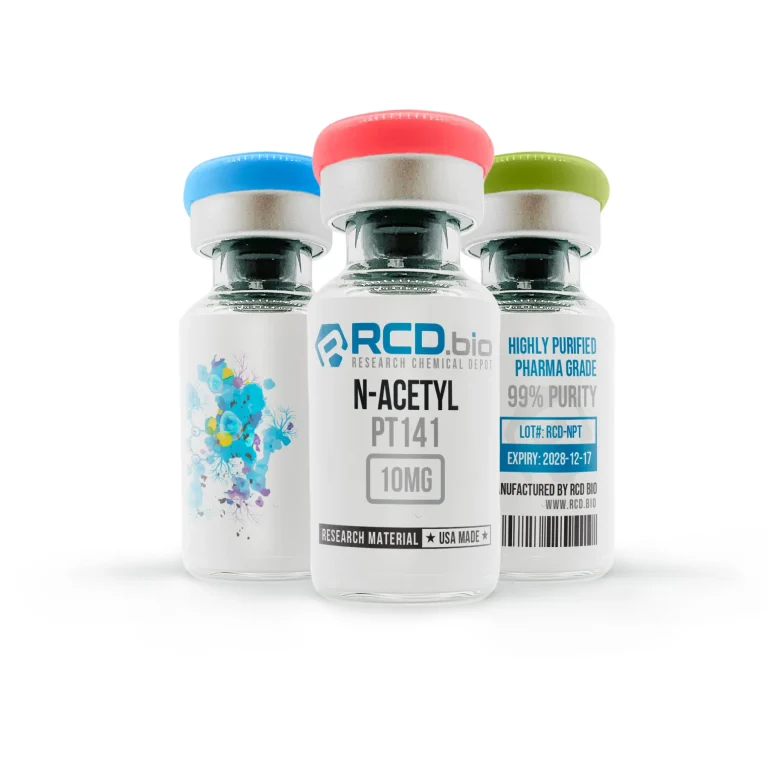
N-Acetyl PT-141, known chemically as bremelanotide, is a synthetic cyclic heptapeptide analog of alpha-melanocyte-stimulating hormone (α-MSH), produced by the pituitary gland as part of the proopiomelanocortin (POMC) peptide family. The compound was developed through systematic structural optimization of α-MSH at the University of Arizona and was subsequently investigated under the research designation “PT-141” by Palatin Technologies. The name “N-Acetyl PT-141” reflects the N-terminal acetyl group on the norleucine (Nle) residue — an acetylation that is a native structural feature of bremelanotide itself, encoded in the sequence as Ac-Nle.
Structurally, N-Acetyl PT-141 is a cyclic heptapeptide lactam with the sequence Ac-Nle-cyclo(Asp-His-D-Phe-Arg-Trp-Lys)-OH. The cyclic lactam architecture is formed by an intramolecular amide bond between the epsilon-amino group of lysine and the side-chain carboxyl of aspartic acid, encompassing residues 2–7. This rigidified ring structure confers enhanced conformational stability and metabolic resistance relative to linear MSH analogs. The D-phenylalanine residue at position 4 is a critical pharmacophore element for melanocortin receptor recognition, and the absence of a C-terminal amide group (present in the parent Melanotan II molecule) distinguishes bremelanotide from its predecessor.
In preclinical and clinical research settings, N-Acetyl PT-141 has been investigated as a non-selective agonist at melanocortin receptors, with primary affinity for the melanocortin-3 receptor (MC3R) and melanocortin-4 receptor (MC4R) — subtypes expressed predominantly in hypothalamic and limbic regions of the central nervous system. Its mechanism is mechanistically distinct from phosphodiesterase type 5 (PDE5) inhibitors, operating upstream of peripheral vascular pathways through central neuroendocrine signaling.
N-Acetyl PT-141 supplied by RCDbio is intended strictly for laboratory and research purposes. It is not approved by the Food and Drug Administration for use in this research-grade, non-pharmaceutical form. The FDA-approved pharmaceutical bremelanotide (Vyleesi®) is a separate, regulated drug product; research-grade N-Acetyl PT-141 is not equivalent to and should not be confused with that approved product. This compound is not a dietary supplement and is not intended for human consumption or therapeutic self-administration.
Chemical Properties
| Property | Detail |
| Product Type | Synthetic Cyclic Heptapeptide Lactam (α-MSH Analog) |
| Product Name | N-Acetyl PT-141 (Bremelanotide; PT-141) |
| Application | Scientific / Research Use Only |
| CAS Number | 189691-06-3 (free base); 189695-08-7 (acetate salt) |
| Molar Mass | 1,025.18 g/mol (free base); 1,085.23 g/mol (monoacetate salt · C₂H₄O₂) |
| Chemical Formula | C₅₀H₆₈N₁₄O₁₀ (free base); C₅₀H₆₈N₁₄O₁₀ · C₂H₄O₂ (acetate salt) |
| Sequence | Ac-Nle-cyclo(Asp-His-D-Phe-Arg-Trp-Lys)-OH; cyclic lactam formed by ε-amino of Lys6 and β-carboxyl of Asp2; N-terminal acetyl on norleucine; C-terminal free carboxylic acid |
| IUPAC Name | (3S,6S,9R,12S,15S,23S)-15-[(N-acetyl-L-norleucyl)amino]-9-benzyl-6-{3-[(diaminomethylidene)amino]propyl}-12-(1H-imidazol-5-ylmethyl)-3-(1H-indol-3-ylmethyl)-2,5,8,11,14,17-hexaoxo-1,4,7,10,13,18-hexaazacyclotricosane-23-carboxylic acid |
| Synonyms | Bremelanotide; PT-141; Vyleesi® (pharmaceutical grade only); CHEMBL2070241; Bremelanotide Acetate |
| Physical Form | Lyophilized white to off-white powder |
| Solubility | Soluble in sterile water and aqueous buffered solutions (e.g., phosphate-buffered saline, pH 7.0–7.4); soluble in dilute acetic acid; limited solubility in organic solvents; reconstitute under aseptic conditions with bacteriostatic water for laboratory use |
| Storage (Lyophilized) | −20°C; sealed, light-protected container; store with desiccant; protect from humidity; stable for up to 24 months under optimal conditions |
| Storage (Reconstituted) | 2–8°C for short-term use (up to 7 days); −20°C or below for extended storage; aliquot prior to freezing; minimize freeze-thaw cycles; discard any turbid or discolored solution |
| PubChem CID | 9941379 (confirmed: bremelanotide free base; verified as C₅₀H₆₈N₁₄O₁₀, MW 1025.18) |
| Purity | ≥98% (HPLC verified, independent third-party laboratory analysis; COA available per batch) |
| WADA Status | N-Acetyl PT-141 (Bremelanotide) is not explicitly named on the current WADA Prohibited List; however, peptide hormones and melanocortin receptor agonists may fall under Section S2 (Peptide Hormones, Growth Factors, Related Substances and Mimetics) or Section S0 (Non-Approved Substances) depending on context and jurisdiction. Researchers engaged in sport-adjacent studies should verify current status at GlobalDRO.com before use. |
How Does N-Acetyl PT-141 Work?
N-Acetyl PT-141 functions as a non-selective melanocortin receptor agonist, engaging the MC3R and MC4R receptor subtypes with high affinity through a centrally mediated mechanism. The melanocortin receptor family comprises five G protein-coupled receptors (MC1R–MC5R) with distinct anatomical distributions; MC3R and MC4R are the primary CNS-expressed subtypes, localized predominantly in hypothalamic nuclei, the limbic system, and the brainstem. Upon binding, both subtypes signal primarily through Gαs-coupled adenylyl cyclase activation and downstream cyclic AMP (cAMP) accumulation, influencing intracellular kinase cascades and gene transcription programs involved in neuroendocrine and behavioral regulation.
MC4R Agonism in Hypothalamic Arousal Circuitry
In rodent and nonhuman primate preclinical models, systemic administration of PT-141 has been shown to activate neurons in the hypothalamus, as evidenced by increased c-Fos immunoreactivity in paraventricular and medial preoptic area neurons — regions anatomically linked to sexual arousal and autonomic outflow circuitry. Neural tracing studies in rat models have identified hypothalamic neuron populations that both express MC4R and project to the corpus cavernosum via intermediolateral spinal cord pathways, providing a mechanistic basis for the centrally initiated erectile responses observed in rodent and primate in vivo studies following peripheral PT-141 administration. This centrally driven mechanism is mechanistically upstream of and independent of peripheral nitric oxide/cGMP cascades targeted by PDE5 inhibitors, which has been exploited in combination pharmacology research to examine additive or synergistic effects on erectile physiology.
MC3R Agonism and Limbic Pathway Modulation
MC3R, while expressed at lower density than MC4R in hypothalamic circuits, is concentrated in limbic regions including the arcuate nucleus and the ventromedial hypothalamus, structures associated with motivational salience, energy sensing, and reproductive behavior. In female rodent preclinical models, melanocortin receptor agonist exposure has been observed to selectively increase solicitational behaviors without altering lordosis reflexes or general locomotor activity, indicating a dissociable effect on appetitive versus consummatory sexual behaviors mediated through limbic MC3R circuits. Dopaminergic co-regulation of these circuits — wherein MC4R agonism in the medial preoptic area modulates mesolimbic dopamine release in nucleus accumbens pathways — has been proposed as a downstream mechanism linking melanocortin activation to motivational arousal states in preclinical behavioral models.
Melanocortin System Pharmacology and Receptor Selectivity
The five melanocortin receptor subtypes differ significantly in their tissue distribution and functional profiles. MC1R is expressed primarily in melanocytes and mediates pigmentation; MC2R is expressed exclusively in the adrenal cortex and mediates ACTH-driven cortisol synthesis. PT-141 demonstrates negligible activity at MC2R. At MC5R, expressed in exocrine glands, peripheral activity has been documented at higher concentrations in in vitro binding assays but is not considered the primary driver of CNS-mediated behavioral effects in preclinical models. The cyclic lactam constraint of the PT-141 scaffold, including the D-Phe4 pharmacophore, confers receptor selectivity relative to linear MSH analogs, and the absence of a C-terminal amide (present in Melanotan II) reduces melanogenic MC1R activity while preserving MC3R/MC4R affinity — a structural distinction that is relevant to receptor-subtype selectivity studies in melanocortin pharmacology research.
Cardiovascular and Hemodynamic Effects in Preclinical Models
In rodent and human pharmacokinetic/pharmacodynamic studies, MC4R agonism has been associated with transient increases in blood pressure and heart rate mediated through hypothalamic melanocortin receptor activation of sympathoadrenal pathways. In controlled rodent in vivo models, MC4R activation in the paraventricular nucleus of the hypothalamus has been associated with increased renal sympathetic nerve activity and systemic blood pressure elevation. These hemodynamic effects represent an on-target pharmacological consequence of MC4R agonism that must be accounted for in cardiovascular-adjacent research model design, and they distinguish melanocortin receptor agonism from purely peripheral vasoactive agents.
Key Research Findings
- Hypothalamic neural activation: Systemic PT-141 administration in rodent in vivo models produced increased c-Fos immunoreactivity in hypothalamic paraventricular and medial preoptic area neurons, establishing a centrally mediated mechanism for melanocortin-driven arousal responses, distinct from peripheral vascular pathways. [Molinoff et al., 2003]
- MC3R/MC4R-mediated male arousal: PT-141 administration to male rat and nonhuman primate in vivo models produced dose-dependent erectile responses; hypothalamic neurons demonstrating c-Fos activation were anatomically co-localized with pseudorabies virus-labeled projections to the corpus cavernosum, linking central MC4R activation to penile neurovascular output. [Molinoff et al., 2003]
- Additive pharmacodynamic interaction with PDE5 inhibitors: In a crossover study using RigiScan monitoring in male erectile dysfunction subjects, co-administration of subtherapeutic intranasal PT-141 (7.5 mg) with sub-therapeutic sildenafil (25 mg) produced significantly greater erectile response than sildenafil alone — implicating mechanistically complementary central (MC4R) and peripheral (cGMP) signaling pathways. [Diamond et al., 2005]
- Female arousal model — subjective response characterization: In premenopausal women with sexual arousal disorder, a single intranasal dose of bremelanotide (20 mg) produced significantly greater reported sexual desire and satisfaction with arousal compared to placebo in a double-blind trial, with vaginal pulse amplitude as a secondary endpoint; findings establish subjective arousal as a measurable preclinical-to-clinical translational endpoint for MC3R/MC4R pharmacology. [Diamond et al., 2006]
- Dopaminergic pathway co-regulation: Preclinical rodent models have documented that melanocortin MC4R agonism in medial hypothalamic regions modulates mesolimbic dopamine tone, providing a proposed mechanistic link between peripheral melanocortin receptor agonism and limbic motivational arousal states in behavioral pharmacology research systems. [Pfaus et al., 2004]
All findings listed above are derived from preclinical, in vitro, or early-phase clinical data. No conclusions regarding human therapeutic efficacy for research-grade N-Acetyl PT-141 can be drawn from these observations. These findings do not constitute evidence of safety or efficacy in any human condition or organism.
What are the Potential Research Applications of N-Acetyl PT-141?
Melanocortin Receptor Pharmacology and GPCR Signaling Studies
N-Acetyl PT-141 serves as a validated reference agonist for MC3R and MC4R receptor characterization studies, employed in radioligand competition binding assays, Gαs-coupled cAMP accumulation assays, β-arrestin recruitment reporter systems, and BRET/FRET-based receptor activation experiments. Its well-characterized receptor binding affinities and downstream signaling profiles make it a standard comparator compound for evaluating novel melanocortin receptor ligands, selective MC4R agonists, or allosteric modulators in GPCR pharmacology research platforms.
Central Neuroendocrine and Sexual Behavior Research
In rodent preclinical behavioral models, PT-141 is used to investigate the contribution of central MC3R and MC4R activation to sexual motivation, solicitational behavior, and consummatory response in both male and female paradigms. Research designs employing PT-141 in combination with selective MC4R antagonists, MC3R-null knockout models, or dopamine receptor antagonists have been used to dissect the specific receptor subtype contributions and downstream dopaminergic co-modulation in hypothalamic-limbic arousal circuitry.
Combination Pharmacology and PDE5 Inhibitor Interaction Research
The mechanistic complementarity between centrally acting melanocortin agonism and peripherally acting cGMP-phosphodiesterase inhibition provides a research framework for investigating additive pharmacodynamic interactions at different nodes of the arousal-erection signaling cascade. In preclinical and early clinical research models, PT-141 has been studied in combination with PDE5 inhibitors to characterize whether central and peripheral mechanisms are additive, synergistic, or sub-additive in determining erectile output — a pharmacology question relevant to drug combination research and mechanistic pathway delineation.
Hypothalamic Neuroendocrine Regulation and Autonomic Circuitry
Beyond reproductive behavior, MC4R activation in the hypothalamus modulates energy homeostasis, feeding behavior, sympathoadrenal outflow, and cardiovascular regulation in rodent in vivo models. PT-141 is used in these contexts as a pharmacological tool to activate paraventricular MC4R signaling and characterize downstream effects on renal sympathetic nerve activity, blood pressure regulation, and metabolic signaling — research applications that are distinct from but mechanistically related to its reproductive neuroscience applications.
These are observed in preclinical and in vitro contexts only and do not constitute claims of efficacy or safety in any organism.
What are the Potential Side Effects of N-Acetyl PT-141?
- Transient blood pressure elevation and heart rate increases observed in rodent and primate in vivo models following systemic melanocortin receptor agonist administration, attributed to MC4R-mediated activation of hypothalamic sympathoadrenal circuitry; magnitude is dose-dependent.
- Nausea and emesis observed in early-phase human clinical studies of intranasal bremelanotide at research doses; the most common adverse event reported in controlled trials, observed in approximately 40% of participants; attributed to area postrema MC4R expression and related central mechanisms.
- Flushing and transient skin erythema noted in some rodent and human preclinical models following administration, consistent with peripheral vasodilatory and melanocortin-mediated effects at higher doses.
- Yawning and stretching behaviors observed in rodent in vivo models following systemic PT-141 exposure; a characteristic CNS-mediated behavioral signature associated with hypothalamic oxytocin pathway co-activation by melanocortin agonists in preclinical systems.
- Spontaneous erections in male rodent and nonhuman primate models at research-relevant doses; an expected on-target pharmacological consequence of MC4R agonism in hypothalamic-spinal arousal circuitry.
- Appetite and body weight effects documented in rodent preclinical models with chronic or repeated melanocortin receptor agonist exposure, consistent with MC4R’s established role in hypothalamic energy balance regulation.
No human safety or tolerability data pertaining to research-grade N-Acetyl PT-141 has been established. These observations are derived from experimental systems and should not be extrapolated to human or animal outcomes.
Risk & Handling
Handling Precautions
N-Acetyl PT-141 should be handled exclusively by trained laboratory personnel. Minimum personal protective equipment includes nitrile gloves, a laboratory coat, and eye protection. Reconstitution of lyophilized powder should be performed under aseptic conditions in a biosafety cabinet or equivalent controlled environment to minimize contamination. The compound is a biologically active cyclic peptide with well-characterized pharmacological activity at central MC3R and MC4R receptors; exposure to levels sufficient for CNS receptor engagement — including through accidental inhalation of aerosolized powder or inadvertent mucosal contact during reconstitution — should be regarded as a handling risk requiring procedural controls. Standard aerosol-generation precautions apply during powder weighing and vial reconstitution.
Exposure Risks
Risk Tier: MODERATE
N-Acetyl PT-141 is a pharmacologically active cyclic heptapeptide with well-characterized agonist activity at MC3R and MC4R in both preclinical and early clinical model systems. At research-relevant concentrations, acute lethality has not been documented in preclinical rodent studies; however, cardiovascular effects including transient blood pressure elevation and heart rate increases are expected on-target consequences of systemic MC4R agonism. The compound demonstrates meaningful CNS penetrance following systemic administration in rodent models, as evidenced by hypothalamic c-Fos activation data. Plasma half-life of bremelanotide in human pharmacokinetic studies is approximately 2.7 hours following subcutaneous administration. No human safety data has been established for research-grade N-Acetyl PT-141. Researchers working with this compound in any in vivo capacity should account for cardiovascular, CNS, and reproductive system pharmacological effects commensurate with its MC3R/MC4R agonist profile.
Storage
- Lyophilized form: Store at −20°C; sealed, light-protected container; store with desiccant; minimize exposure to ambient humidity
- Reconstituted form: Store at 2–8°C for up to 7 days; −20°C for periods exceeding one week; aliquot prior to freezing to minimize freeze-thaw cycles
- Minimize freeze-thaw cycling; each cycle risks progressive degradation of the cyclic lactam backbone
- The compound does not contain disulfide bonds, so reducing agent exposure is not a primary concern; however, strongly alkaline or acidic reconstitution conditions should be avoided as they may hydrolyze the lactam ring or peptide bonds
- Discard any reconstituted solution showing turbidity, particulate matter, color change, or signs of microbial contamination
FAQs
Q: What is N-Acetyl PT-141 and what is it investigated for in preclinical research? A: N-Acetyl PT-141 (bremelanotide; CAS 189691-06-3) is a synthetic cyclic heptapeptide analog of alpha-melanocyte-stimulating hormone. It is investigated in preclinical models as a non-selective agonist of the melanocortin-3 (MC3R) and melanocortin-4 (MC4R) receptors expressed in central nervous system hypothalamic and limbic regions. Research applications include melanocortin receptor pharmacology, central neuroendocrine arousal circuitry characterization, combination pharmacology with PDE5 inhibitors, and hypothalamic cardiovascular/autonomic signaling. It is not approved by the FDA for use in research-grade, non-pharmaceutical form.
Q: What is the structural difference between N-Acetyl PT-141, PT-141 (bremelanotide), and Melanotan II? A: N-Acetyl PT-141 and PT-141 are the same compound — bremelanotide (CAS 189691-06-3). The “N-acetyl” designation refers to the acetyl group on the N-terminal norleucine residue, which is a native structural feature of bremelanotide rather than a separate modification. Melanotan II (MT-II) is a structurally related but distinct cyclic peptide with the sequence Ac-Nle-cyclo(Asp-His-D-Phe-Arg-Trp-Lys)-NH₂ — the primary difference being a C-terminal amide in MT-II versus a free carboxylic acid in PT-141/bremelanotide. This C-terminal structural difference alters receptor binding affinity profiles: MT-II retains higher MC1R activity (contributing to melanogenic effects), while PT-141’s free carboxyl reduces MC1R affinity while preserving MC3R/MC4R agonism.
Q: How should N-Acetyl PT-141 be stored to maintain stability? A: Lyophilized N-Acetyl PT-141 should be stored at −20°C in a sealed, desiccated, light-protected container. Once reconstituted, the solution should be stored at 2–8°C and used within 7 days, or aliquoted and stored at −20°C for longer periods. Freeze-thaw cycling should be minimized to preserve compound integrity. The cyclic lactam ring is stable under neutral aqueous conditions but should not be stored under strongly acidic or alkaline conditions, which may hydrolyze the lactam or peptide bonds.
Q: What reconstitution solvent is used for N-Acetyl PT-141 in laboratory research? A: N-Acetyl PT-141 is typically reconstituted in sterile water, phosphate-buffered saline (PBS, pH 7.0–7.4), or dilute acetic acid (0.1–1%) for poorly soluble batches. Bacteriostatic water (0.9% benzyl alcohol in sterile water) is commonly employed in laboratory settings to inhibit microbial growth in reconstituted solutions intended for multi-day use. No reducing agents are required; the compound contains no disulfide bonds. Final working concentrations for in vitro assays typically range from nanomolar to low micromolar depending on the receptor system and assay format.
Q: What is the plasma half-life of N-Acetyl PT-141 in pharmacokinetic models? A: In human subcutaneous pharmacokinetic studies of bremelanotide (the pharmaceutical reference form), the plasma half-life is approximately 2.7 hours, with primary elimination via peptide bond hydrolysis and renal excretion. In preclinical rodent pharmacokinetic models, faster clearance is observed, consistent with higher renal filtration rates. These pharmacokinetic parameters pertain to the pharmaceutical formulation and cannot be directly applied to research-grade recombinant peptide materials, which may differ in purity, formulation, and excipient composition.
Q: What toxicity observations have been reported for N-Acetyl PT-141 in preclinical and early clinical models? A: In early-phase clinical studies of bremelanotide, nausea was the most commonly reported adverse event (approximately 40% incidence), along with flushing and transient blood pressure increases attributable to MC4R-mediated sympathoadrenal activation. These effects were transient and dose-dependent. In rodent in vivo models, yawning, spontaneous erections, and reduced appetite at higher doses have been characterized. Acute systemic toxicity at research-relevant doses has not been documented in preclinical models. No human safety data has been established for research-grade N-Acetyl PT-141.
Q: Is N-Acetyl PT-141 the same as FDA-approved Vyleesi® (bremelanotide)? A: No. Vyleesi® (bremelanotide) is an FDA-approved prescription drug product manufactured to pharmaceutical-grade specifications, formulated for subcutaneous autoinjection, and approved for a specific clinical indication in premenopausal women. Research-grade N-Acetyl PT-141 supplied by RCDbio is a non-pharmaceutical compound produced for laboratory research use only. The active peptide sequence is chemically equivalent, but research-grade material lacks the pharmaceutical-grade manufacturing controls, formulation excipients, and regulatory oversight of the approved drug product. Research-grade N-Acetyl PT-141 is not approved for human use in any form.
Related Research Compounds
Kisspeptin-10 Peptide A decapeptide endogenous ligand of the KISS1R (GPR54) receptor expressed on GnRH neurons; studied in preclinical models alongside melanocortin compounds to investigate convergent hypothalamic signaling nodes governing reproductive neuroendocrine output and GnRH pulse regulation.
Melanotan-2 Peptide A structurally related cyclic heptapeptide α-MSH analog with a C-terminal amide (Ac-Nle-cyclo(Asp-His-D-Phe-Arg-Trp-Lys)-NH₂); studied in preclinical melanocortin receptor pharmacology for its comparative MC1R/MC3R/MC4R binding profile and melanogenic activity relative to bremelanotide, enabling isoform-selective receptor dissection experiments.
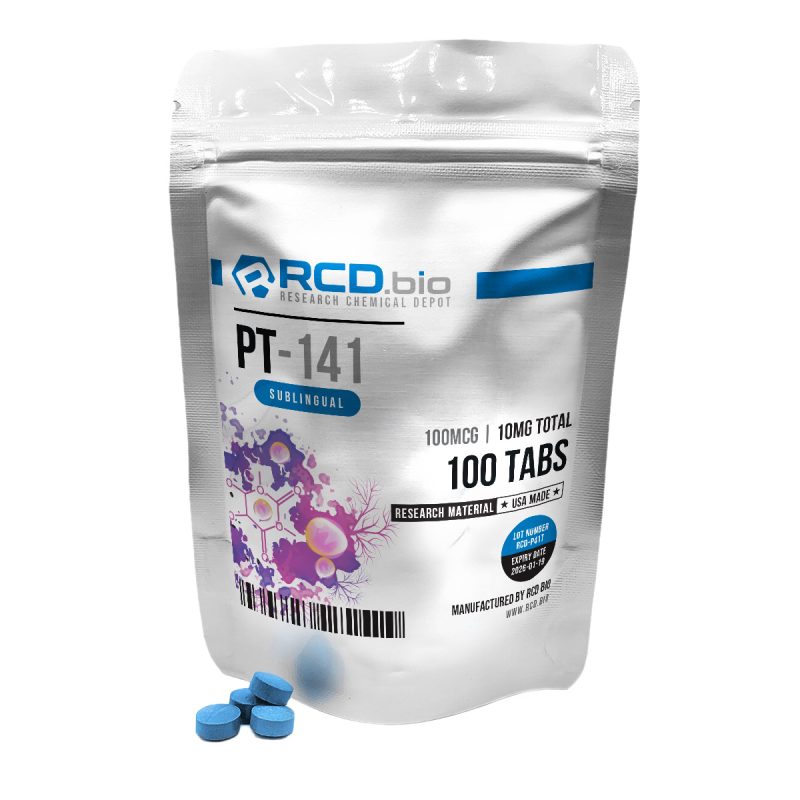
PT-141 Peptide The standard bremelanotide reference vial (standard preparation); used alongside N-Acetyl PT-141 in comparative stability, formulation, and receptor binding studies to confirm batch-to-batch consistency and inter-preparation pharmacological equivalence in MC3R/MC4R assay systems.
References
- Molinoff PB, Shadiack AM, Earle D, Diamond LE, Quon CY. PT-141: a melanocortin agonist for the treatment of sexual dysfunction. Ann N Y Acad Sci. 2003;994:96–102. https://pubmed.ncbi.nlm.nih.gov/12851303/
- Diamond LE, Earle DC, Garcia WD, Spana C. Co-administration of low doses of intranasal PT-141, a melanocortin receptor agonist, and sildenafil to men with erectile dysfunction results in an enhanced erectile response. Urology. 2005;65(4):755–759. https://pubmed.ncbi.nlm.nih.gov/15833522/
- Diamond LE, Earle DC, Heiman JR, Rosen RC, Perelman MA, Harning R. An effect on the subjective sexual response in premenopausal women with sexual arousal disorder by bremelanotide (PT-141), a melanocortin receptor agonist. J Sex Med. 2006;3(4):628–638. https://pubmed.ncbi.nlm.nih.gov/16839319/
- Pfaus JG, Shadiack A, Van Soest T, Tse M, Molinoff P. Selective facilitation of sexual solicitation in the female rat by a melanocortin receptor agonist. Proc Natl Acad Sci U S A. 2004;101(27):10201–10204. https://pubmed.ncbi.nlm.nih.gov/15226502/
- Rosen RC, Diamond LE, Earle DC, Shadiack AM, Molinoff PB. Evaluation of the safety, pharmacokinetics and pharmacodynamic effects of subcutaneously administered PT-141, a melanocortin receptor agonist, in healthy male subjects and in patients with an inadequate response to Viagra. Int J Impot Res. 2004;16(2):135–142. https://pubmed.ncbi.nlm.nih.gov/14999221/
Disclaimer
N-Acetyl PT-141 is exclusively for laboratory research purposes. RCDbio products are not intended to diagnose, prevent, treat, or cure any disease or medical condition.
The Food and Drug Administration has not evaluated the statements on our website. This product is not approved for human or veterinary use. Researchers must comply with all applicable local, state, and federal laws and regulations governing the purchase and use of research compounds. By purchasing, you agree to our Terms and Conditions. RCDbio reserves the right to refuse sales to unauthorized individuals.
ATTENTION: All RCDbio products are strictly for LABORATORY AND RESEARCH PURPOSES ONLY. They are not intended for human consumption, veterinary use, or any other non-research application. For queries, complaints, or support, contact support@legacy.rcdbio.co
Reviews
There are no reviews yet