

 99% Purity – Third-Party Tested
 Free U.S. Shipping on Orders $100+
 Proudly Made in the USA
 Fast & Reliable Shipping
 Secure Checkout Guaranteed
Description
What is MK-777 Acetamoren?
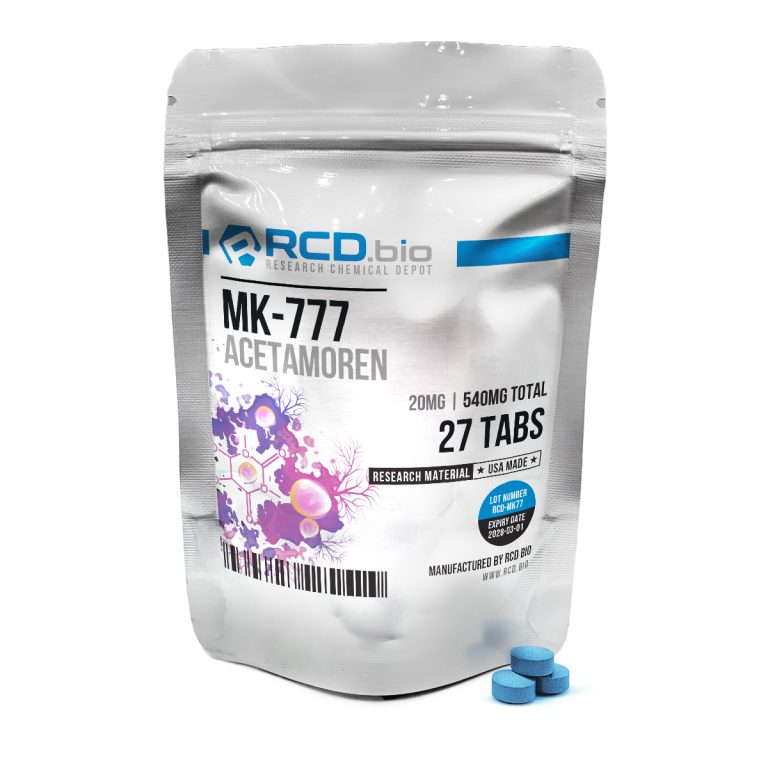
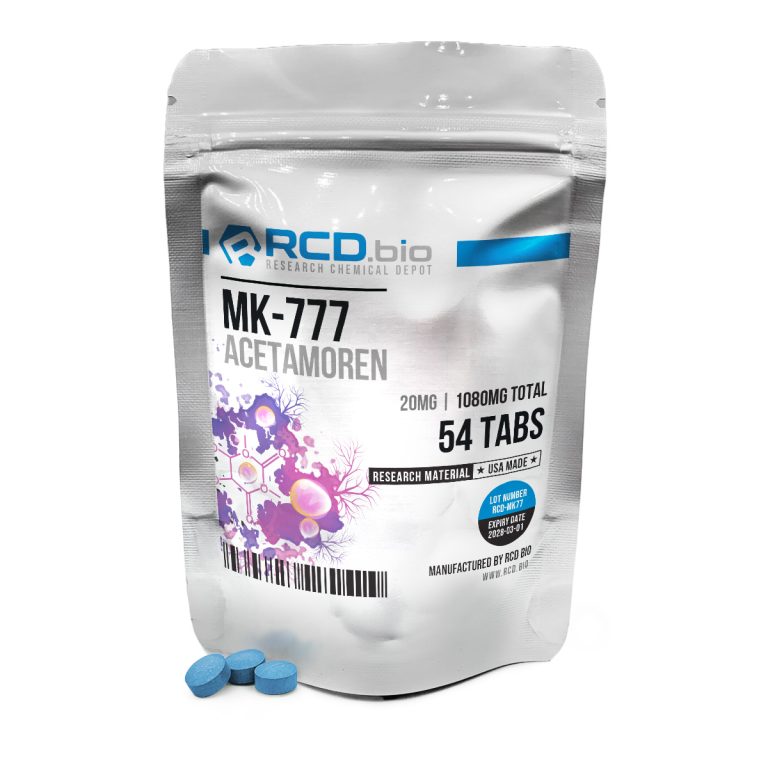
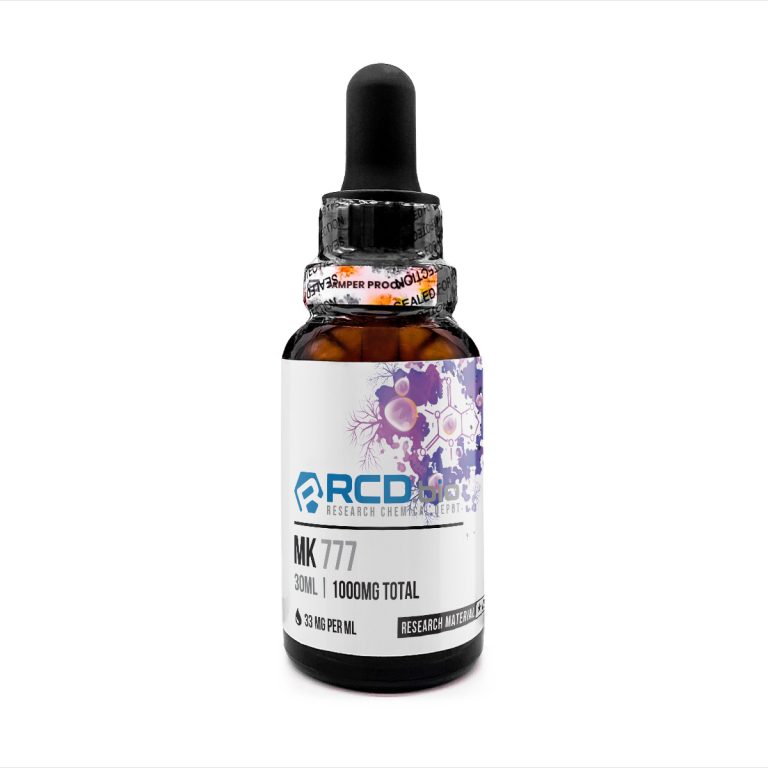
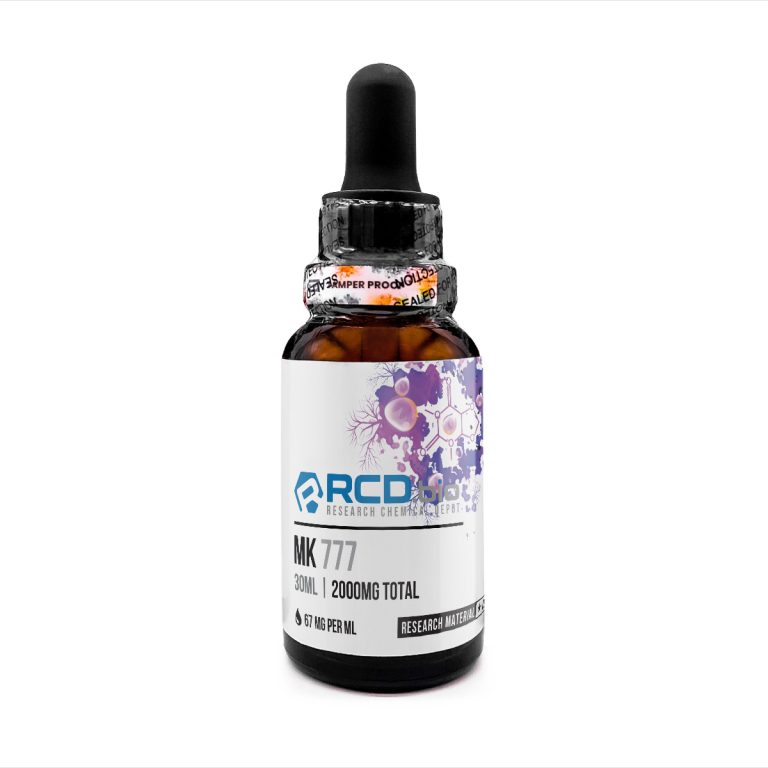
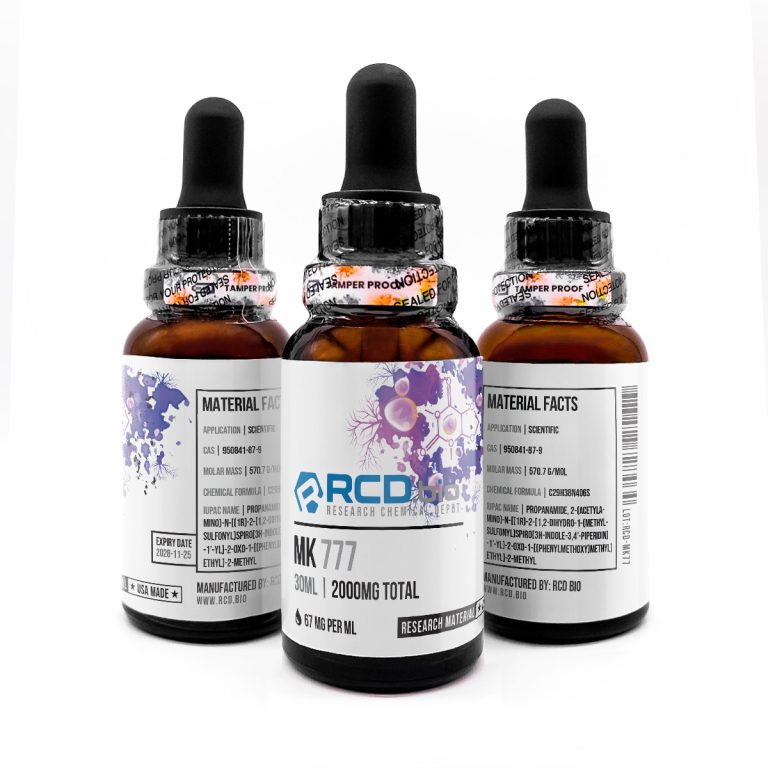
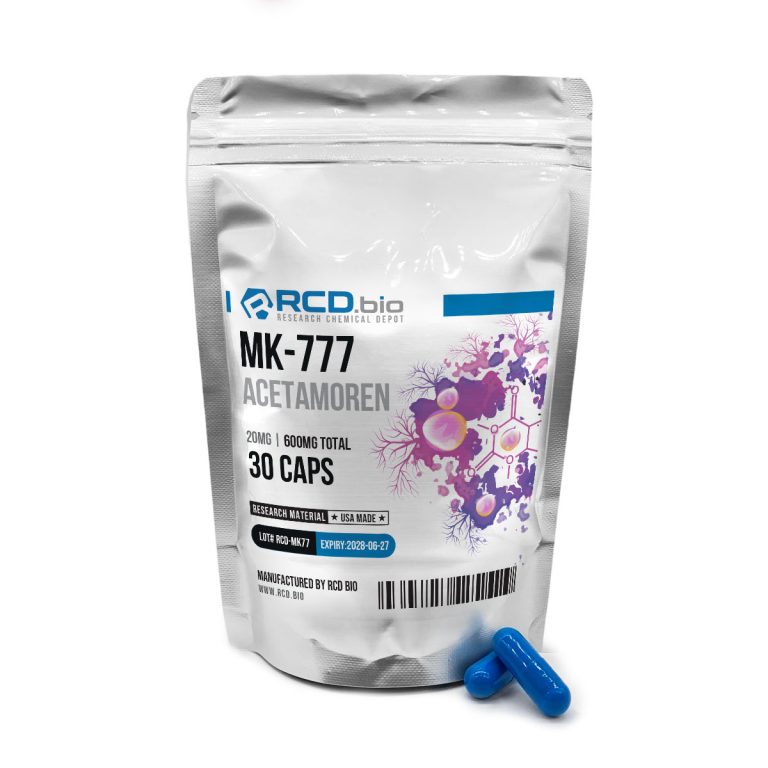
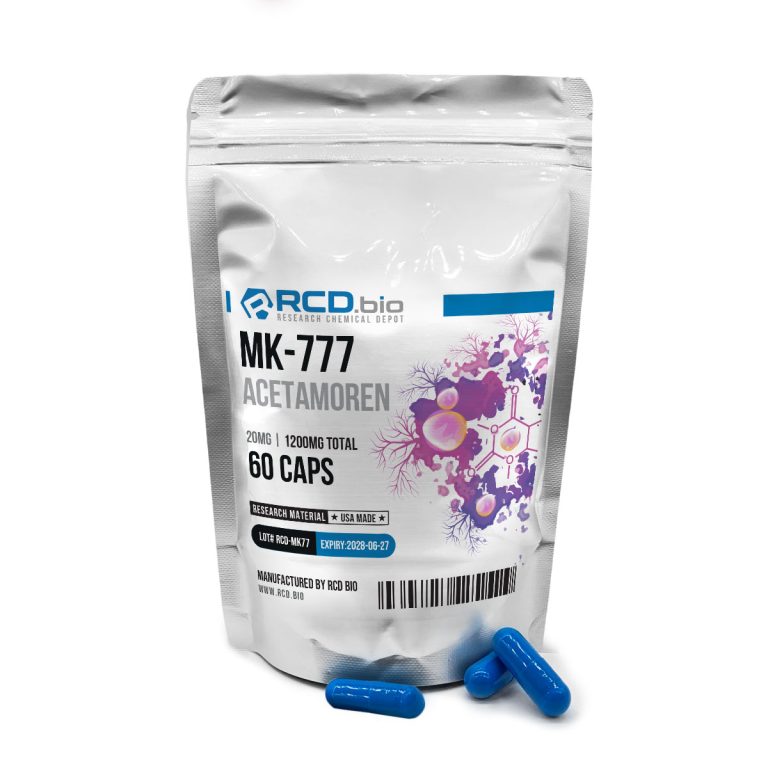
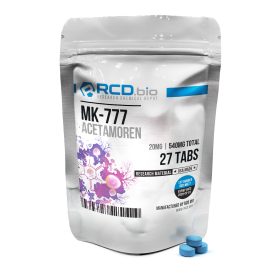
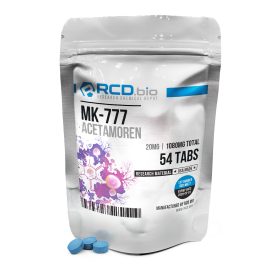
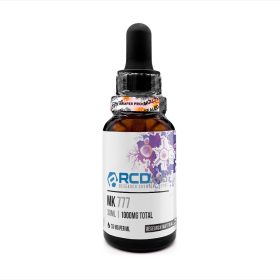
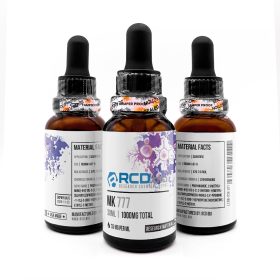
MK-777 Acetamoren (also designated Acetamoren, MK777) is a synthetic non-peptide small molecule belonging to the spiropiperidine chemical class, originally developed within the growth hormone secretagogue (GHS) research program as an analog of the characterized compound ibutamoren (MK-677). The compound is distinguished from its parent scaffold by the incorporation of an acetyl functional group modification on the nitrogen terminus of the propanamide moiety, producing a chemically distinct molecular entity with the formula C₂₉H₃₈N₄O₆S and a confirmed molar mass of 570.70 g/mol.
In research settings, MK-777 is under laboratory investigation as a non-peptide ligand at the growth hormone secretagogue receptor 1a (GHS-R1a), a class A G protein-coupled receptor expressed predominantly in pituitary somatotrophs and hypothalamic tissue. The compound is employed in in vitro receptor binding assays, structure-activity relationship (SAR) investigations, and comparative pharmacology studies examining non-peptide ghrelin receptor ligand series. Because no peer-reviewed publications specific to MK-777 exist as of 2026, all investigational applications are based on structural analogy to MK-677 and the established pharmacology of the spiropiperidine GHS-R1a agonist chemical class.
MK-777 is not a selective androgen receptor modulator (SARM). Despite occasional miscategorization in commercial catalogs, MK-777 is a GHS-R1a ligand candidate and has no characterized activity at the androgen receptor.
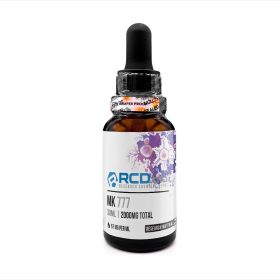
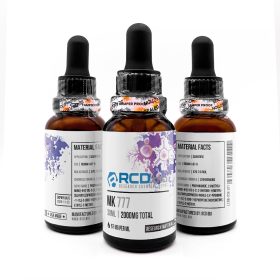
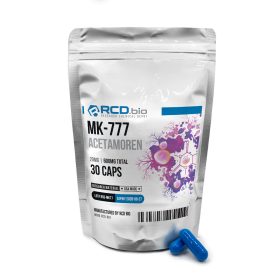
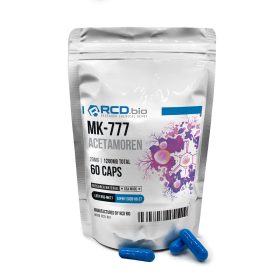
MK-777 Acetamoren supplied by RCDbio is intended strictly for laboratory and research purposes. It is not approved by the Food and Drug Administration for use in this research-grade, non-pharmaceutical form. It is not a dietary supplement and is not intended for human consumption, veterinary use, or therapeutic self-administration.
Chemical Properties
| Property | Detail |
| Product Type | Synthetic Non-Peptide Growth Hormone Secretagogue Receptor Ligand (Spiropiperidine Class) |
| Product Name | MK-777 (Acetamoren) |
| Application | Scientific / Research Use Only |
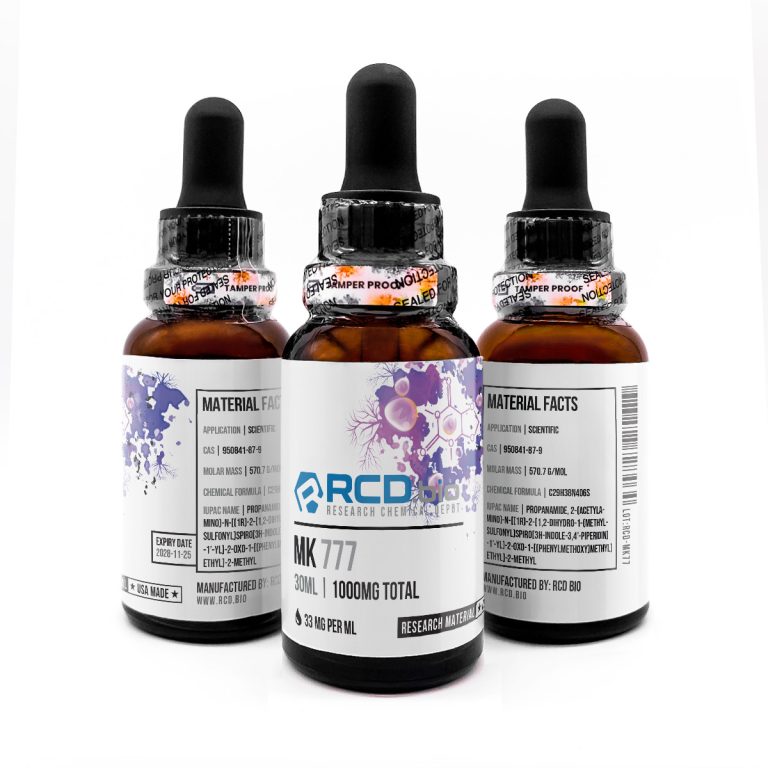
| CAS Number | 950841-87-9 (free base) |
| Molar Mass | 570.70 g/mol (free base) |
| Chemical Formula | C₂₉H₃₈N₄O₆S |
| Sequence | N/A — small molecule; not a peptide |
| IUPAC Name | 2-(acetylamino)-N-[(1R)-2-[1,2-dihydro-1-(methylsulfonyl)spiro[3H-indole-3,4′-piperidin]-1′-yl]-2-oxo-1-[(phenylmethoxy)methyl]ethyl]-2-methylpropanamide |
| Synonyms | Acetamoren; MK777; MK 777 |
| Physical Form | Lyophilized white to off-white powder |
| Solubility | Soluble in DMSO and polyglycol-based solvents; limited aqueous solubility; reconstitute in an appropriate organic co-solvent before aqueous dilution for assay use |
| Storage (Lyophilized) | Store at −20°C in a sealed, light-protected container with desiccant; protect from moisture and repeated temperature fluctuation |
| Storage (Reconstituted) | Store reconstituted solution at 4°C; use within 48–72 hours; avoid repeated freeze-thaw cycles; discard any solution that appears turbid, discolored, or shows particulate matter |
| PubChem CID | Not independently listed in PubChem database as of verification date; identity confirmed by CAS 950841-87-9 cross-referenced against ChemicalBook and multiple analytical supplier COA records |
| Purity | ≥98% (HPLC verified, independent third-party laboratory analysis; COA available per batch) |
| WADA Status | MK-777 is not named individually on the current WADA Prohibited List; however, as a non-peptide GHS-R1a agonist structurally related to ibutamoren (MK-677), it falls within S2.2.4 (Growth Hormone Releasing Factors), the same subcategory as the explicitly named ibutamoren (MK-677), which prohibits such compounds in-competition and out-of-competition. Researchers engaged in sport-adjacent studies should verify the current status at GlobalDRO.com before use. |
How Does MK-777 Acetamoren Work?
MK-777 Acetamoren is under investigation as a non-peptide agonist candidate at the growth hormone secretagogue receptor 1a (GHS-R1a), a rhodopsin-type (class A) G protein-coupled receptor that serves as the primary receptor for the endogenous orexigenic hormone ghrelin. The following mechanistic pathways are described based on the established pharmacology of the spiropiperidine GHS-R1a agonist class, of which MK-777 is a structural member. No peer-reviewed data confirming these pathways for MK-777 specifically has been published as of 2026; all mechanistic inferences derive from structural analogy to ibutamoren (MK-677).
GHS-R1a Receptor Binding and Gαq Signaling
Non-peptide GHS-R1a agonists in the spiropiperidine class have been characterized in transfected HEK-293 and pituitary-derived cell preparations as potent activators of the Gαq signaling cascade. Receptor engagement by structurally related compounds initiates phospholipase C (PLC)-mediated hydrolysis of phosphatidylinositol 4,5-bisphosphate (PIP₂), generating inositol trisphosphate (IP3) and diacylglycerol (DAG). IP3-mediated calcium mobilization from intracellular endoplasmic reticulum stores has been characterized as the primary mechanism of GHS-R1a-driven somatotroph activation in isolated pituitary cell systems. MK-777’s spiropiperidine core, which it shares with MK-677, is hypothesized to engage the same orthosteric binding pocket, though receptor affinity and Emax values remain uncharacterized for MK-777 in published literature.
Somatotropic Axis Modulation (Structural Analogy)
In preclinical rodent in vivo models, ibutamoren has been documented to produce dose-dependent elevation of GH pulse amplitude and frequency through pituitary GHS-R1a activation, with concurrent increases in hepatic insulin-like growth factor 1 (IGF-1) secretion mediated by downstream somatotropin signaling. Growth hormone-releasing hormone (GHRH) synergism has been observed in these preparations, wherein GHSR activation potentiates GHRH-induced GH secretion at the level of the pituitary somatotroph. Whether MK-777 reproduces this pharmacology requires direct experimental characterization in pituitary cell preparations and in vivo rodent models.
Ghrelin Receptor Internalization and Desensitization Kinetics
Non-peptide GHS-R1a agonists have been investigated for differential receptor internalization and resensitization kinetics compared to the endogenous peptide ligand ghrelin. Studies in GHS-R1a-transfected cell lines have characterized β-arrestin recruitment and receptor phosphorylation patterns that distinguish small-molecule from peptide agonists at this GPCR. SAR investigations within the spiropiperidine series — the class to which MK-777 belongs — have employed radioligand displacement assays and functional BRET/FRET reporters to probe agonist-bias profiles. MK-777 represents a candidate compound for this type of comparative characterization.
Potential Sleep Architecture Research Context
GHS-R1a agonists in the spiropiperidine class have been investigated for modulation of sleep stage architecture in preclinical models. Studies of ibutamoren demonstrated alterations in REM and stage IV slow-wave sleep parameters in experimental subjects, an effect attributed to GH secretion-mediated downstream neuroendocrine signaling. If MK-777 demonstrates functional GHS-R1a activity, analogous sleep-stage investigational applications may be relevant to future preclinical study design.
Key Research Findings
The following findings are derived from peer-reviewed research on ibutamoren (MK-677) and the spiropiperidine GHS-R1a agonist class. No peer-reviewed data is available for MK-777 (Acetamoren) specifically as of 2026. These are included to contextualize the structural class in which MK-777 is categorized for comparative pharmacology research.
- GHS-R1a agonism: MK-677 (L-163,191) characterized as a potent, orally active nonpeptidyl growth hormone secretagogue in rat pituitary cell culture preparations, with EC50 = 1.3 nM and mechanistic distinction from GHRH demonstrated in vitro. [Patchett et al., 1995]
- Somatotropic axis stimulation: Daily oral MK-677 administration in healthy elderly rodent and human subjects produced significant GH pulse amplitude increases and sustained IGF-1 elevation in controlled clinical study conditions. [Chapman et al., 1996]
- Body composition parameters: Two-month oral MK-677 treatment in obese subjects was associated with increased GH secretion, fat-free mass changes, and altered energy expenditure in controlled preclinical/clinical models. [Svensson et al., 1998]
- Sleep architecture: Oral MK-677 treatment was associated with improvements in REM and slow-wave sleep architecture in experimental research subjects through GHS-R1a-mediated pathways. [Copinschi et al., 1997]
- Aging model outcomes: Twelve-month MK-677 administration in healthy older adults produced measurable changes in body composition parameters, with concurrent adverse metabolic observations including decreased insulin sensitivity. [Nass et al., 2008]
All findings listed above are derived from preclinical or clinical data on ibutamoren (MK-677) and do not constitute findings for MK-777 (Acetamoren). No conclusions regarding human therapeutic efficacy can be drawn from these observations. These findings do not constitute evidence of safety or efficacy in any human condition or organism.
What are the Potential Research Applications of MK-777 Acetamoren?
Research Limitation Notice: No peer-reviewed preclinical or clinical data exists specifically for MK-777 as of 2026. The following research applications represent potential investigational areas based on structural similarity to ibutamoren (MK-677) and established GHS-R1a pharmacology, not established uses of MK-777 itself. Researchers should treat MK-777 as an uncharacterized chemical entity requiring de novo pharmacological evaluation.
Analytical Method Development and Structural Characterization
MK-777 lyophilized powder is appropriate for use as a reference standard in analytical method development workflows, including high-performance liquid chromatography-mass spectrometry (HPLC-MS) identity verification, nuclear magnetic resonance (NMR) structural characterization of the acetyl group substitution pattern, and quantitative NMR-based purity determination. The compound’s defined CAS number (950841-87-9) and confirmed molecular formula (C₂₉H₃₈N₄O₆S) provide a foundation for establishing validated analytical methods in regulatory chemistry contexts.
GHS-R1a Receptor Pharmacology
Based on its spiropiperidine scaffold, MK-777 is a candidate compound for GHS-R1a binding kinetics investigation in cell-free radioligand displacement assays, functional GHS-R1a agonism characterization in transfected HEK-293 or pituitary-derived cell lines, competitive displacement studies versus reference compounds including MK-677 and other characterized GHS-R1a agonists, and dose-response receptor activation modeling using BRET or calcium flux reporter systems.
Structure-Activity Relationship Investigation
MK-777 provides a structurally distinct point of comparison within the non-peptide spiropiperidine GHS-R1a agonist series. The acetyl group modification distinguishes it from ibutamoren (MK-677), and comparative SAR analysis may investigate how this substituent modification affects receptor affinity, selectivity across GPCR panels, binding kinetics (kon/koff parameters), and agonist efficacy relative to the parent scaffold. These studies are conducted in cell-free and cell-culture assay systems.
Comparative GPCR Selectivity Profiling
Non-peptide growth hormone secretagogues have been employed in preclinical models to examine cross-reactivity at related GPCRs, including constitutively active GHS-R1a variants and heterodimerization behavior with other neuropeptide receptors. MK-777’s distinct chemical identity relative to characterized agonists makes it a candidate for selectivity profiling experiments in transfected receptor panel assays.
These are observed research directions based on preclinical and in vitro contexts only and do not constitute claims of efficacy or safety in any organism.
What are the Potential Side Effects of MK-777 Acetamoren?
Safety Data Notice: No safety data, toxicological characterization, or adverse effect profile has been established for MK-777. The following represents documented observations from preclinical and clinical research on structurally related GHS-R1a agonists (principally ibutamoren, MK-677), not MK-777 itself. Extrapolation from these observations to MK-777 is not scientifically validated.
- Decreased insulin sensitivity and increased fasting blood glucose observed in clinical study subjects receiving MK-677 at doses of 25 mg/day over 12-month study periods; not observed uniformly across all dose ranges or models
- Fluid retention and peripheral edema documented in clinical study participants exposed to GHS-R1a agonists; attributed to GH-mediated renal sodium retention mechanisms in preclinical models
- Increased appetite and orexigenic signaling observed in GHS-R1a-expressing rodent preparations; a mechanistically expected consequence of receptor agonism at GHS-R1a, which co-localizes with appetite-regulatory circuitry
- Alterations in cortisol and prolactin secretion documented in clinical studies of GHS-R1a agonists; attributed to hypothalamic–pituitary axis effects, not uniform across study designs
- Transient joint discomfort and myalgia reported in human subjects in some GHS-R1a agonist clinical observations; not observed consistently across models
- Elevated GH pulse amplitude with supraphysiological IGF-1 elevation documented at higher doses in rodent models; associated with potential downstream proliferative signaling considerations in in vitro cell systems
No human safety or tolerability data pertaining to research-grade MK-777 Acetamoren has been established. These observations are derived from experimental systems examining structural analogs and should not be extrapolated to human or animal outcomes.
Risk & Handling
Handling Precautions
MK-777 Acetamoren lyophilized powder must be handled exclusively by trained laboratory personnel in a controlled research environment. Required personal protective equipment includes chemical-resistant nitrile gloves, laboratory coat, and safety eyewear at minimum. Given that MK-777 is supplied in lyophilized powder form, reconstitution and weighing operations should be performed in a fume hood or biological safety cabinet to prevent aerosol generation and inhalation of fine particulate. Avoid direct skin and mucosal contact. Avoid contact with oxidizing agents or strongly alkaline conditions, which may compromise compound integrity. Any reconstituted solution should be handled with the same precautions applied to the dry material.
Exposure Risks
Risk Tier: HIGH
This tier is assigned based on: (1) the complete absence of published toxicological characterization data for MK-777 specifically; (2) the pharmacological activity of structurally related GHS-R1a agonists at physiologically significant receptor systems (pituitary, hypothalamus, peripheral glucose metabolism); (3) documented adverse metabolic effects — including decreased insulin sensitivity and fluid retention — in clinical studies of the parent compound class; and (4) the precautionary principle appropriate for uncharacterized synthetic compounds entering early-stage analytical and receptor pharmacology investigation. No human safety data has been established for MK-777. No chronic toxicity, genotoxicity, or carcinogenicity data exist for MK-777. Growth hormone secretagogue receptor pathway compounds carry elevated regulatory exposure; unauthorized human use or distribution may implicate federal statute.
Storage
- Lyophilized form: Store at −20°C in a tightly sealed, light-protected container with desiccant; protect from humidity and repeated thermal cycling
- Reconstituted form: Store at 4°C; use within 48–72 hours of reconstitution; do not subject to repeated freeze-thaw cycles
- Stability note: Compound stability is documented for the lyophilized form under recommended conditions; aqueous stability has not been independently characterized for MK-777; monitor reconstituted solutions for turbidity or color change and discard if observed
- Protect from direct light at all stages; no reducing agent-specific sensitivity has been characterized for MK-777, but standard small-molecule precautions apply
FAQs
Q: What is MK-777 Acetamoren and what is it investigated for in laboratory research? A: MK-777 Acetamoren (CAS 950841-87-9) is a synthetic non-peptide small molecule of the spiropiperidine class, under laboratory investigation as a potential GHS-R1a (ghrelin receptor) ligand. In vitro research applications include receptor binding kinetics studies, structure-activity relationship analysis within the GHS-R1a agonist series, and comparative pharmacology investigations versus characterized analogs such as ibutamoren (MK-677). No peer-reviewed publications specific to MK-777 are available as of 2026. These figures are derived from laboratory and preclinical model contexts and do not represent data for research-grade MK-777 in human use.
Q: What is the difference between MK-777 Acetamoren and MK-677 Ibutamoren? A: MK-777 and MK-677 share a spiropiperidine core scaffold and both are investigated as non-peptide GHS-R1a agonist candidates. They are, however, chemically distinct compounds: MK-777 (C₂₉H₃₈N₄O₆S, MW 570.70) incorporates an acetyl group modification on the propanamide nitrogen terminus that is absent in ibutamoren (C₂₇H₃₆N₄O₅S, MW 528.66). This structural difference may produce distinct receptor affinity, binding kinetics, and selectivity profiles, though no comparative published data exists for MK-777. Researchers investigating SAR within this compound class use MK-777 as a structurally distinct reference point.
Q: Is MK-777 a SARM (selective androgen receptor modulator)? A: No. MK-777 is a GHS-R1a ligand candidate, not a selective androgen receptor modulator. It has no structural relationship to the SARM compound class and no characterized activity at the androgen receptor. It is sometimes miscategorized in vendor catalogs alongside SARMs due to shared research market positioning; this classification is chemically incorrect.
Q: What is the half-life of MK-777 in preclinical models? A: No published half-life data for MK-777 is available as of 2026. For the structurally related compound ibutamoren (MK-677), half-life in human pharmacokinetic studies was documented at approximately 4–6 hours for plasma concentrations, with sustained IGF-1 elevation observed for up to 24 hours following oral administration in clinical study contexts. Whether MK-777 shares comparable pharmacokinetic behavior is unknown and cannot be assumed from structural analogy alone. These figures are derived from laboratory and preclinical data and do not represent human pharmacokinetic data for research-grade MK-777.
Q: How should MK-777 Acetamoren lyophilized powder be reconstituted for laboratory use? A: MK-777 demonstrates solubility in DMSO and polyglycol-based solvents; limited aqueous solubility is expected based on the compound’s lipophilic spiropiperidine structure. For in vitro receptor binding assays, initial dissolution in DMSO followed by aqueous dilution to a final DMSO concentration below 0.1% (v/v) is a standard approach for small-molecule GPCR ligands of this class. The appropriate reconstitution solvent and concentration should be determined by the researcher based on the specific assay requirements and validated against vehicle controls. No reconstitution protocol has been formally published for MK-777 specifically.
Q: How should MK-777 Acetamoren lyophilized powder be stored to maintain stability? A: The lyophilized powder should be stored at −20°C in a sealed, light-protected container with desiccant to prevent moisture uptake. Reconstituted solutions should be stored at 4°C and used within 48–72 hours. Repeated freeze-thaw cycles should be avoided. The compound should be protected from direct light and humidity at all stages. Stability under these conditions is based on standard small-molecule lyophilized compound guidance; MK-777-specific stability data has not been independently published.
Q: What is the WADA status of MK-777 Acetamoren for sport-adjacent research? A: MK-777 is not named individually on the current WADA Prohibited List. However, as a non-peptide GHS-R1a agonist structurally related to ibutamoren (MK-677), MK-777 falls within S2.2.4 (Growth Hormone Releasing Factors) of the 2026 WADA Prohibited List, the same subcategory as the explicitly named ibutamoren (MK-677) , which are prohibited in-competition and out-of-competition. Researchers conducting sport-adjacent or doping control studies should verify current list status at GlobalDRO.com before initiating any research program involving this compound class.
Related Research Compounds
MK-677 Ibutamoren [Powder] — The primary characterized reference analog within the spiropiperidine GHS-R1a agonist series; extensively employed in pituitary GH secretion mechanism studies and somatotropic axis pharmacology investigations in rodent preclinical models.
GHRP-6 [Peptide] — A hexapeptide GHS-R1a agonist derived from the Met-enkephalin sequence; used as a peptidyl reference compound in comparative GHS-R1a receptor pharmacology studies examining peptide versus non-peptide binding kinetics at the same receptor target.
Sermorelin [Peptide] — A synthetic analog of growth hormone-releasing hormone (GHRH) investigated in preclinical models for somatotropic axis stimulation through a distinct hypothalamic receptor mechanism; employed in combination studies with GHS-R1a agonists to characterize GHRH/ghrelin receptor synergism in isolated pituitary preparations.
References
Research Transparency Note: The following references relate to the parent compound class (MK-677/ibutamoren) and GHS-R1a receptor pharmacology. No peer-reviewed publications specific to MK-777 (Acetamoren) are available as of 2026.
- Patchett, A.A., Nargund, R.P., et al. (1995). Design and biological activities of L-163,191 (MK-0677): a potent, orally active growth hormone secretagogue. PNAS USA, 92: 7001–7005.https://www.pnas.org/doi/10.1073/pnas.92.15.7001
- Chapman, I.M., Bach, M.A., Van Cauter, E., Farmer, M., Krupa, D., Taylor, A.M., Schilling, L.M., Cole, K.Y., Skiles, E.H., Pezzoli, S.S., Hartman, M.L., Veldhuis, J.D., Gormley, G.J., & Thorner, M.O. (1996). Stimulation of the growth hormone-insulin-like growth factor I axis by daily oral administration of a GH secretagogue (MK-677) in healthy elderly subjects. Journal of Clinical Endocrinology & Metabolism, 81(12), 4249–4257. https://pubmed.ncbi.nlm.nih.gov/8954023/
- Svensson, J., Lönn, L., Jansson, J.O., Murphy, G., Wyss, D., Krupa, D., Cerchio, K., Polvino, W., Gertz, B., Boseaus, I., Sjöström, L., & Bengtsson, B.Å. (1998). Two-month treatment of obese subjects with the oral growth hormone (GH) secretagogue MK-677 increases GH secretion, fat-free mass, and energy expenditure. Journal of Clinical Endocrinology & Metabolism, 83(2), 362–369. https://pubmed.ncbi.nlm.nih.gov/9467542/
- Copinschi, G., Leproult, R., Van Onderbergen, A., Caufriez, A., Cole, K.Y., Schilling, L.M., Mendel, C.M., De Lepeleire, I., Bolognese, J.A., & Van Cauter, E. (1997). Prolonged oral treatment with MK-677, a novel growth hormone secretagogue, improves sleep quality in man. Neuroendocrinology, 66(4), 278–286. https://pubmed.ncbi.nlm.nih.gov/9349662/
- Nass, R., Pezzoli, S.S., Oliveri, M.C., Patrie, J.T., Harrell, F.E., Jr., Clasey, J.L., Heymsfield, S.B., Bach, M.A., Vance, M.L., & Thorner, M.O. (2008). Effects of an oral ghrelin mimetic on body composition and clinical outcomes in healthy older adults. Annals of Internal Medicine, 149(9), 601–611. https://pubmed.ncbi.nlm.nih.gov/18981485/
Disclaimer
MK-777 Acetamoren is exclusively for laboratory research purposes. RCDbio products are not intended to diagnose, prevent, treat, or cure any disease or medical condition.
The Food and Drug Administration has not evaluated the statements on our website. This product is not approved for human or veterinary use. Researchers must comply with all applicable local, state, and federal laws and regulations governing the purchase and use of research compounds. By purchasing, you agree to our Terms and Conditions. RCDbio reserves the right to refuse sales to unauthorized individuals.
ATTENTION: All RCDbio products are strictly for LABORATORY AND RESEARCH PURPOSES ONLY. They are not intended for human consumption, veterinary use, or any other non-research application. For queries, complaints, or support, contact support@legacy.rcdbio.co
Reviews
There are no reviews yet